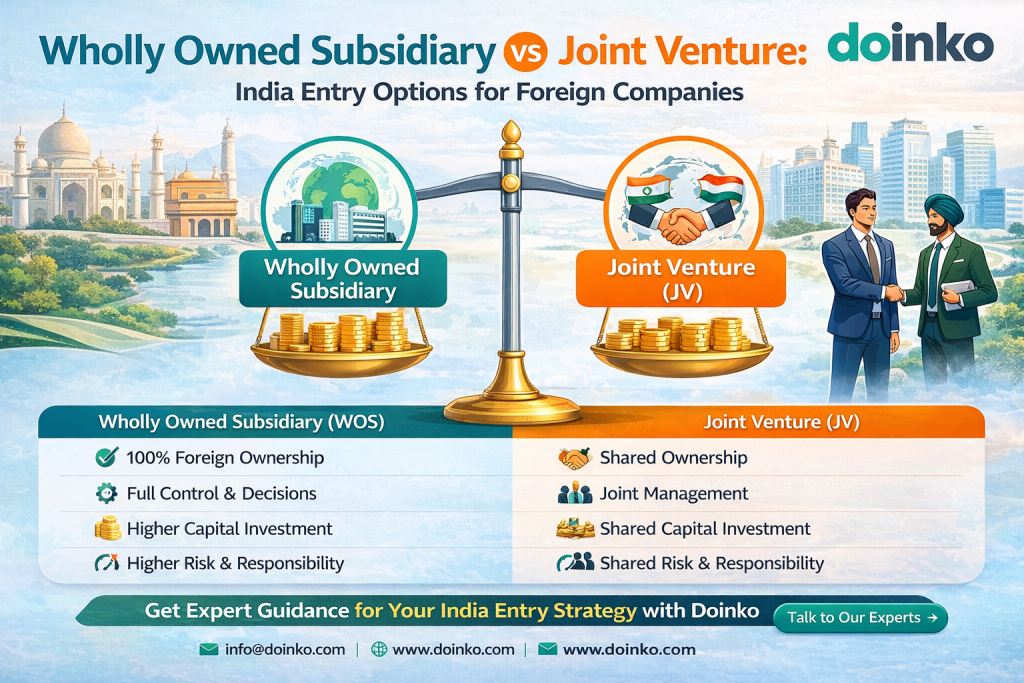

One of the first decisions every founder makes is choosing the right legal structure. For most startups in India, the comparison usually comes down to a private limited company and a limited liability partnership, or LLP.
A private limited company is often preferred where founders want a clear distinction between ownership and management, easier equity structuring, and stronger investor familiarity. It is also a widely used structure for startups that expect to raise funding or expand with a formal shareholding model.
How a private limited company differs
In a private limited company, the company is treated as a separate legal entity, and shareholders’ liability is usually limited to their shareholding. This creates a more structured framework for business growth, equity allocation, and long-term governance.
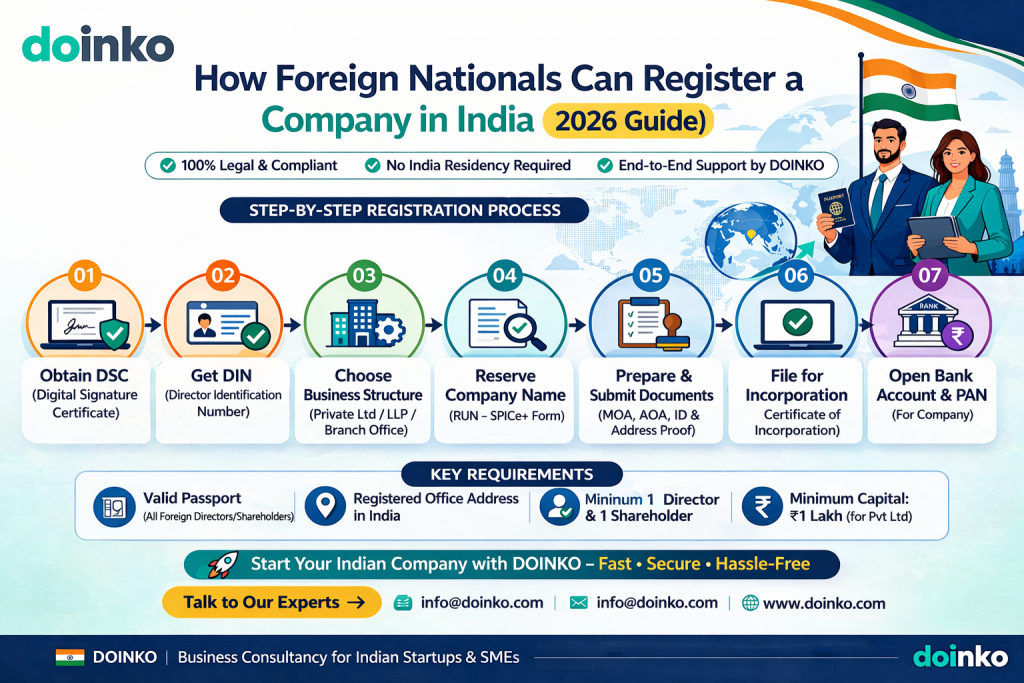
This structure also requires at least two directors and two shareholders, and at least one director must be a resident of India. The name approval and incorporation process is handled through the MCA’s SPICe+ filing system.
Why many startups prefer it
Private limited companies are often seen as more investment-ready than loosely structured formats. Because ownership is represented through shares and governance is defined through formal constitutional documents such as the MoA and AoA, the model works well for startups planning external funding or founder expansion.
This structure also tends to build stronger credibility with vendors, banks, and institutional stakeholders. For founders planning a scalable brand, that formal identity can be a significant advantage.
Where LLP may still fit
An LLP may work better where the founders want operational flexibility and a partnership-style structure. It is commonly considered by professional service firms, small consulting practices, or businesses that do not plan immediate equity-based fundraising.
That said, a private limited company is usually the stronger option when the business has long-term ambitions around scale, structured ownership, or investor participation. Founders should choose based on business goals, not only on initial registration convenience.
Who should choose what
Choose a private limited company if your startup wants:
- Clear ownership through shares.
- Better investor readiness.
- Limited liability with a separate legal identity.
- Formal governance and future scalability.
Choose an LLP if your business wants:
- A partnership-led operating model.
- Simpler internal management.
- A structure suited to closely held service businesses.
Closing CTA
For Doinko, this topic is especially useful because founders searching for structure comparison are often high-intent leads close to registration. Publishing decision-stage content like this supports organic lead generation and aligns with Doinko’s SEO-led content strategy and startup service offering.
Publishing notes
To improve SEO performance on Doinko.com, each blog should include one internal link to the main Company Registration service page and one internal link to a related compliance or startup support page. That content approach suits Doinko’s broader legal and startup-assistance positioning and supports service-led organic discovery.
Use these blog posts with clear CTAs such as “Talk to Doinko,” “Start Your Company Registration,” or “Get a Documentation Checklist.” This fits the user’s goal of creating SEO-friendly website content designed to generate business leads.
Would you like the next version in a clean copy-paste website format with no citations, plus FAQ schema, featured snippet paragraphs, and a call-to-action block for Doinko?