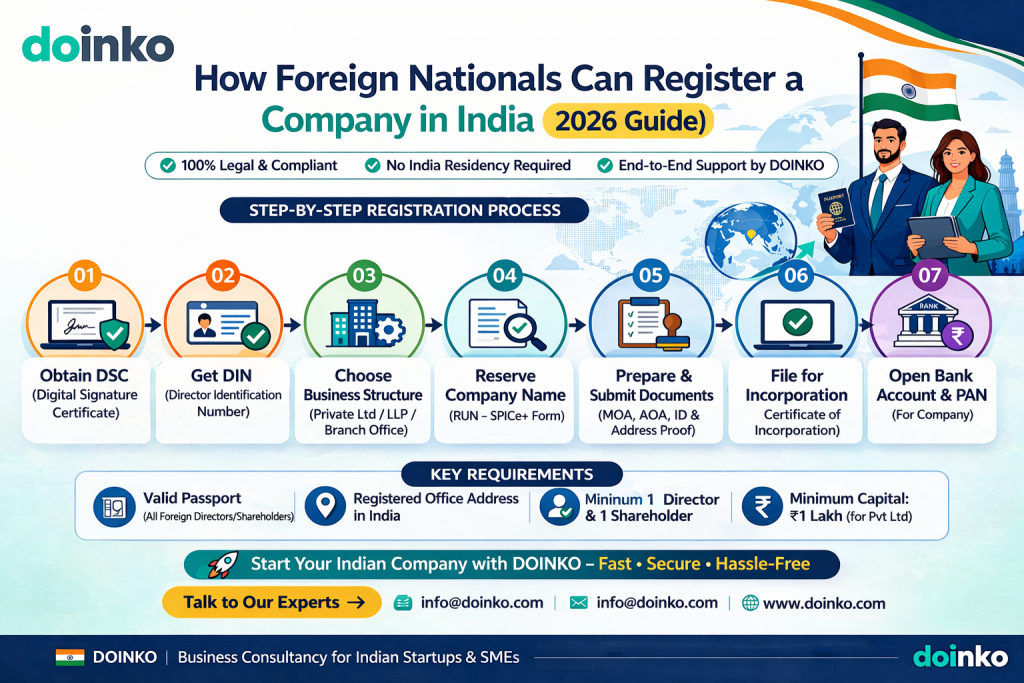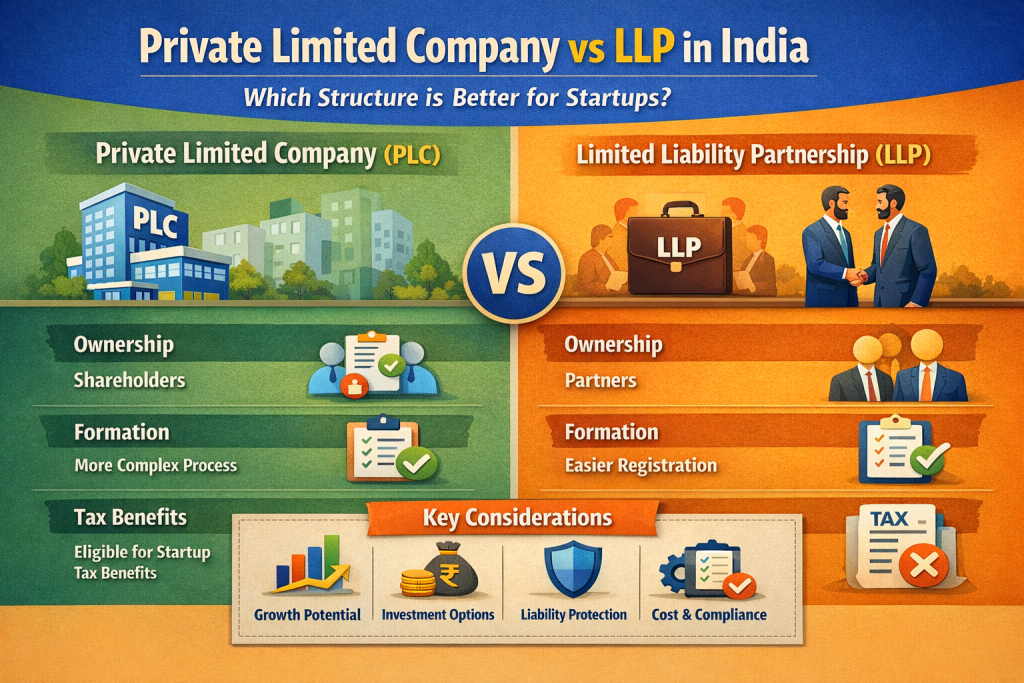

Foreign corporations planning to expand into India must select a business structure that aligns with their operational goals, risk appetite, and investment scale. The Indian government provides several legal entry routes, each with different levels of autonomy, tax implications, and regulatory scrutiny. Selecting the right entity is a critical first step for long-term commercial success.
The Wholly Owned Subsidiary (WOS)
A Wholly Owned Subsidiary is an independent Private Limited Company where 100% of the shares are held by the foreign parent company. This structure offers the parent entity absolute control over Indian operations, intellectual property, and strategic decisions. It is legally treated as a domestic Indian company, allowing it to easily engage in local trade, hire talent, and repatriate profits.
Partnering via Joint Venture (JV)
A Joint Venture involves partnering with an existing Indian company or local founders to form a new Private Limited Company. This route is highly beneficial for foreign businesses that want to leverage a local partner’s established distribution networks, market knowledge, and regulatory familiarity. It also helps mitigate the financial risks of entering a new emerging market.
Branch and Liaison Offices
For foreign entities not ready to establish a full-fledged subsidiary, opening a Branch Office or Liaison Office is an alternative. A Liaison Office is strictly limited to gathering market intelligence and promoting the parent company, prohibiting any commercial revenue generation. A Branch Office can conduct limited commercial activities representing the parent company, but both require strict RBI approvals and face higher corporate tax rates than subsidiaries.
Structural Comparison for Foreign Entities
| Feature | Wholly Owned Subsidiary | Joint Venture | Branch Office |
|---|
Strategic Planning with Doinko
Deciding between full control through a WOS or local integration via a JV dictates your entire legal and tax strategy. Doinko provides B2B consultancy and complete digital registration services to help foreign companies structure their Indian market entry seamlessly. From choosing the right entity to managing ongoing MCA compliance, we act as your dedicated launch partner in India.